Bayswater Cleaners Recycling and Sustainability
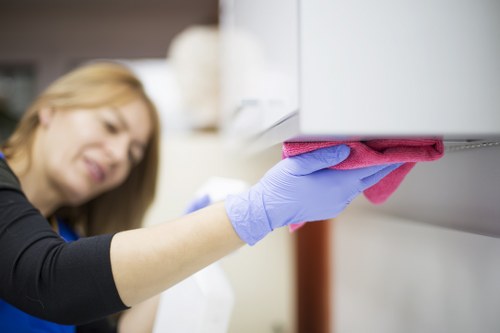 At Bayswater Cleaners, sustainability is not treated as an extra; it is built into the way we work every day. Our approach to recycling in Bayswater is shaped by the wider environmental priorities of local boroughs, where waste separation, food waste collection, and mixed recycling rules encourage residents and businesses to sort materials more carefully. We support that effort by reducing waste at source, reusing where possible, and diverting a higher proportion of collected materials from landfill through responsible recycling partners.
Our current recycling percentage target is 85% of recoverable materials reused or recycled across our operations. That target covers packaging, paper, textiles, plastic bottles, disposable liners, and other suitable waste streams generated during regular cleaning activity. We monitor progress against this goal because sustainable cleaning in Bayswater should be measurable, not just aspirational. By setting a clear percentage target, we can improve year by year and make smarter decisions about sorting, transport, and procurement.
Bayswater sits within a part of London where borough-led waste systems are increasingly focused on better separation. That means residents may already be familiar with different containers for paper, mixed dry recycling, food waste, and general rubbish. We align our own recycling practices with that culture of separation, ensuring that recyclable materials are kept clean and grouped correctly before they are sent onward. This helps improve material quality and supports the broader recycling Bayswater effort across the local area.
 A key part of our sustainability strategy is working with local transfer stations and approved waste facilities that prioritise sorting and responsible onward processing. Using nearby transfer stations reduces unnecessary mileage and allows waste to be handled efficiently before it enters larger recycling streams. These local hubs are especially important for separating cardboard, paper, metals, and clean plastics, and they help us minimise contamination that can cause recyclable items to be rejected.
We also focus on the practical side of waste reduction inside our cleaning schedules. Many materials can be reused before they become waste, from refillable containers to durable cloths designed for multiple cycles. When items do need to be discarded, we choose the route that gives them the best possible second life. In this way, our Bayswater cleaning services support not only a tidier space but also a more responsible materials economy.
 Our partnerships with charities form another important strand of the Bayswater Cleaners sustainability story. Instead of sending usable items to disposal, we work with charitable organisations and community groups where appropriate so that surplus supplies, textiles, and suitable household items can be redistributed. This approach supports local good causes while keeping perfectly serviceable materials in use for longer, which is one of the most effective forms of waste prevention.
We are especially careful with textile-related waste, because fabric can be a valuable resource if handled correctly. Where suitable, cottons, linens, and other clean textiles are separated for reuse, donation, or textile recycling channels rather than being treated as ordinary rubbish. This is particularly relevant in an area like Bayswater, where homes, offices, and hospitality spaces can generate a varied mix of materials. By sorting textiles thoughtfully, Bayswater cleaners can reduce the burden on landfill and support circular use.
Another important feature of our sustainability programme is transport. We are moving steadily toward a lower-emission fleet made up of low-carbon vans that are more efficient than older vehicles and better suited to urban routes. These vans help cut the environmental impact of travel between jobs, transfer stations, and supplier points. In a busy London setting, reducing fuel consumption and emissions matters just as much as recycling the right materials.
For Bayswater cleaning operations, route planning is also part of carbon reduction. We schedule work to minimise unnecessary journeys and combine collections where possible. This reduces idle time, lowers emissions, and makes our recycling and waste transfer process more efficient. It is a practical example of how eco-friendly cleaning in Bayswater can deliver benefits both for the environment and for day-to-day service quality.
 We also make purchasing decisions with sustainability in mind. Choosing refillable and concentrated products reduces packaging waste, while using recyclable or recycled-content materials supports the wider market for recovered resources. Where possible, we prefer items that are easy to separate into common borough recycling streams, such as cardboard, paper-based packaging, and widely accepted plastics. This helps ensure that the waste we generate can move smoothly through local sorting systems.
Education plays a quiet but important role in our process. Staff are trained to recognise the difference between general waste and recyclable materials, and to understand how local borough separation rules affect disposal. That means bins are used correctly, contamination is reduced, and recyclable materials are less likely to be lost because of mixed waste. A well-sorted waste stream is one of the simplest ways to improve sustainable Bayswater cleaning outcomes.
 Our long-term aim is to keep improving the balance between service performance and environmental responsibility. By increasing our recycling percentage, partnering with charities, using local transfer stations responsibly, and expanding our low-carbon van fleet, we are building a cleaner model for daily operations. Bayswater Cleaners believes that recycling is not a single action but an ongoing habit of care, planning, and accountability.
That is why our recycling and sustainability work continues to evolve alongside local borough initiatives and community expectations. Whether it is separating waste correctly, choosing greener transport, or giving reusable items a second life, every step contributes to a more efficient and lower-impact service. For us, recycling in Bayswater is part of a wider commitment to cleaner spaces and a cleaner city.